
Eyebrow Hair Transplant in the Philippines
Eyebrow Restoration for Fuller, Natural-Looking Brows
If you have sparse, uneven or thinning eyebrows caused by overplucking, scarring, trauma or other forms of hair loss, an eyebrow hair transplant may help restore the appearance of your brows.
At NU/HART, eyebrow restoration uses carefully selected hair follicles and precise placement to create a natural-looking shape that complements your facial features. Our medical team will assess your suitability for treatment during a consultation.
What Is an Eyebrow Hair Transplant?
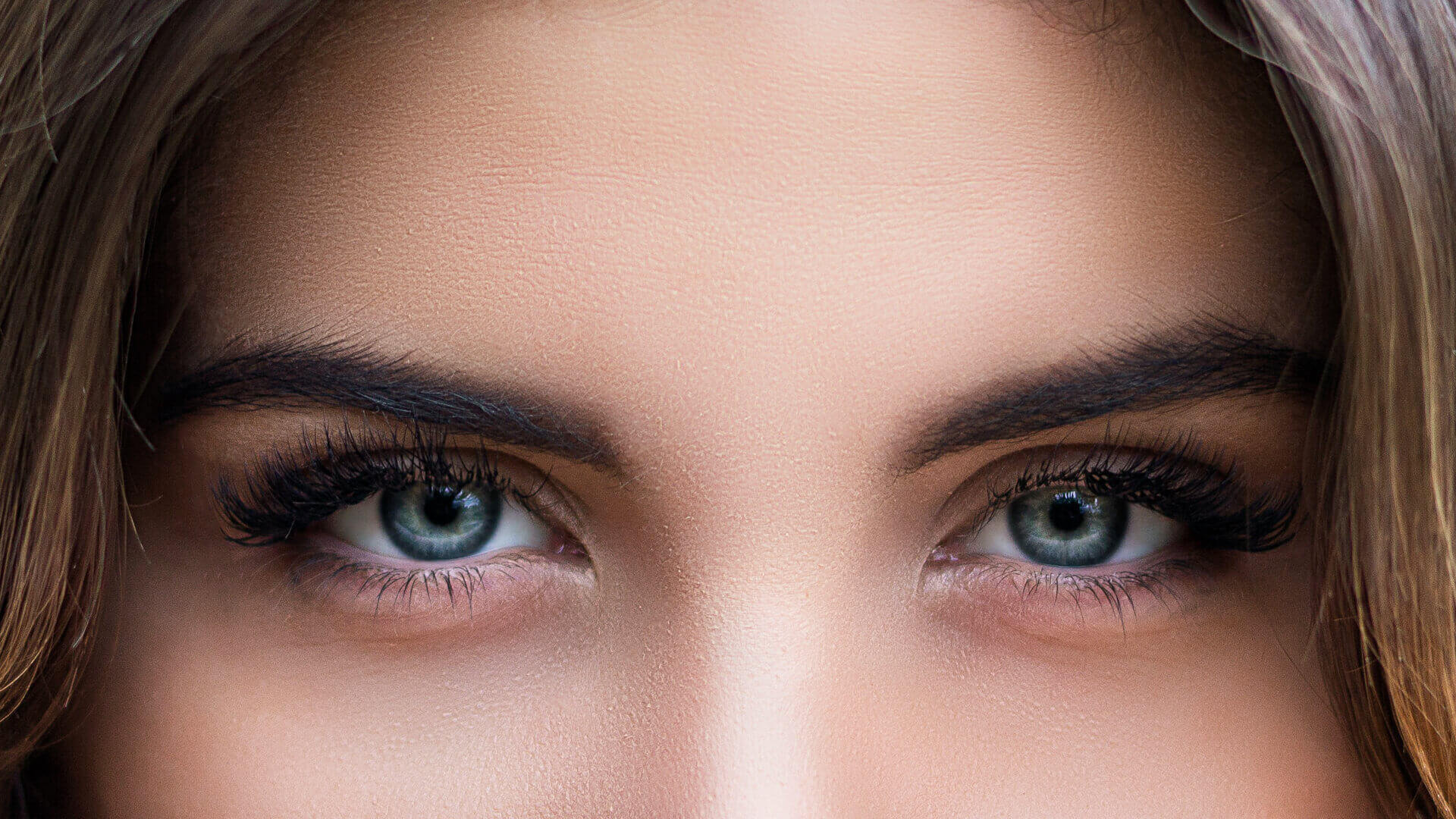
An eyebrow hair transplant is a hair restoration procedure that moves healthy hair follicles from a donor area, typically the scalp, to eyebrow areas where hair is sparse or missing.
The transplanted follicles are carefully positioned according to the natural direction, angle and shape of the existing eyebrow hairs. This allows the restored brows to grow as hair rather than simply creating the appearance of brows with pigment.
The procedure may be considered for people with naturally sparse eyebrows or eyebrow hair loss caused by overplucking, trauma, scars and other conditions. A medical consultation is necessary to determine whether eyebrow transplantation is appropriate for you.
Who Is a Candidate for Eyebrow Hair Transplant?
Eyebrow hair transplantation may be suitable for individuals who have sparse, uneven or missing eyebrow hair due to:
- Excessive or repeated plucking, threading or waxing
- Previous trauma or injuries
- Burns or scars affecting the eyebrow area
- Certain types of hair loss
- Naturally sparse or thin eyebrows
Congenital absence or limited eyebrow growth - Previous cosmetic procedures that affected eyebrow hair
However, not everyone is a candidate for eyebrow transplantation. Your doctor will assess your medical history, existing eyebrow hair, donor hair availability and treatment goals before recommending the procedure. Patients experiencing temporary hair loss due to medical treatment may require further medical assessment before considering eyebrow transplantation.
How Does an Eyebrow Hair Transplant Work?
1. Consultation and Eyebrow Design
Your doctor evaluates your eyebrow hair, donor area, facial features and desired outcome. The eyebrow shape and placement are planned before the procedure.
2. Donor Hair Harvesting
Healthy hair follicles are carefully harvested from a suitable donor area, typically the scalp.
3. Follicle Preparation
The harvested follicles are prepared for transplantation. Smaller, suitable grafts can be selected to help achieve a natural appearance in the eyebrow area.
4. Precise Implantation
The follicles are placed individually into the eyebrow area according to the planned shape, angle and natural direction of growth.
5. Recovery and Follow-Up
Your doctor will provide aftercare instructions and monitor your progress during follow-up. Transplanted hairs may initially shed before new growth develops.
Natural-Looking Eyebrow Restoration
Eyebrows require careful planning because the direction and angle of each hair affect the overall appearance of the brow.
At NU/HART, eyebrow restoration focuses on creating a shape and density that complement your existing facial features. Individual follicles are positioned carefully to follow the natural direction of eyebrow growth and create a more natural-looking result.
Your final result will depend on factors such as your existing eyebrow hair, donor hair characteristics, healing and individual hair growth.
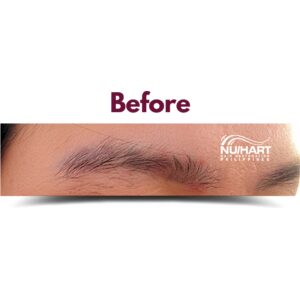
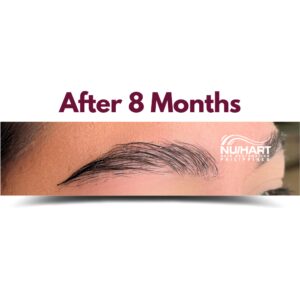
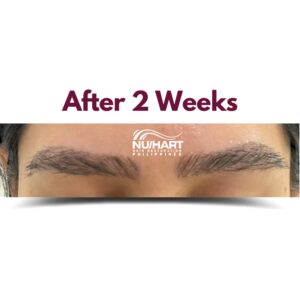
Eyebrow Hair Transplant Before & After
See examples of eyebrow restoration procedures performed at NU/HART.
Individual results vary depending on the patient’s existing eyebrow hair, donor hair characteristics, treatment plan and healing process.
Benefits of Eyebrow Hair Transplant
- Restores sparse or missing eyebrow hair
- Uses your own hair follicles
- Creates a hair-based alternative to cosmetic brow pigmentation
- Allows eyebrow shape and density to be individually planned
- Can address uneven or asymmetrical brows
- May restore areas affected by scars or previous trauma
- Provides growing hair that can be trimmed and groomed
Eyebrow Hair Transplant Recovery
Following eyebrow hair transplantation, temporary redness, swelling, tenderness or small crusts may occur around the treated area. These effects generally improve as the area heals.
The transplanted hairs may shed during the early stages of recovery. New growth develops gradually, so patients should not expect the final result immediately after the procedure.
Because transplanted scalp hairs retain their original growth characteristics, regular trimming and grooming may be required as the eyebrow hairs grow.
Your doctor will provide specific aftercare instructions based on your procedure.
Why Choose NU/HART for Eyebrow Hair Transplant?
Experienced Hair Restoration Doctors
Our medical team has extensive experience in hair restoration and transplantation procedures.
Individualized Treatment Planning
Each eyebrow restoration plan is based on your existing hair, donor availability, facial features and treatment goals.
Precision Placement
Eyebrow transplantation requires careful attention to the direction, angle and positioning of each follicle.
Natural-Looking Results
Our approach focuses on creating eyebrow restoration that complements your facial features and existing hair.
Medical Consultation
We assess your suitability before treatment so you can understand the procedure and what results you may reasonably expect.
Eyebrow Hair Transplant FAQs
Transplanted follicles can provide long-term hair growth, but individual results vary. Your doctor can explain expected longevity based on your condition and donor hair.
Donor hair is commonly taken from the scalp, depending on the patient’s suitability and treatment plan.
The procedure is performed using anesthesia to minimise discomfort. Your medical team will discuss pain management and what to expect during your consultation.
The duration depends on the number of follicles required and the individual treatment plan. Your doctor can provide a more accurate estimate during consultation.
Yes, transplanted hair can continue to grow according to the characteristics of the donor hair. Regular trimming may therefore be required.
People with sparse, uneven or missing eyebrow hair may be candidates. Suitability depends on factors such as the cause of hair loss, donor hair availability and overall health.
Eyebrow transplantation may be considered for certain stable scars affecting the eyebrow area. Your doctor will need to evaluate the scar and surrounding tissue first.
Restore Your Eyebrows With a Personalized Treatment Plan
If you are considering eyebrow hair transplantation, schedule a consultation with the NU/HART medical team to discuss your eyebrow concerns, treatment options and expected results.