
SVF Hair Treatment for Hair Loss in the Philippines
A regenerative hair treatment using your own tissue to support existing hair follicles and scalp health.
SVF Hair Treatment for Hair Loss in the Philippines
CelluHair SVF Therapy is a regenerative hair-loss treatment that uses stromal vascular fraction (SVF) derived from a small sample of your own fat tissue. The treatment is designed to support the scalp environment and hair follicles in areas affected by thinning hair.
At NU/HART, SVF therapy may be considered for selected patients with thinning hair or early-to-moderate hair loss following a medical assessment. Your doctor will determine whether SVF treatment is appropriate based on your hair-loss pattern, scalp condition, and available follicles.
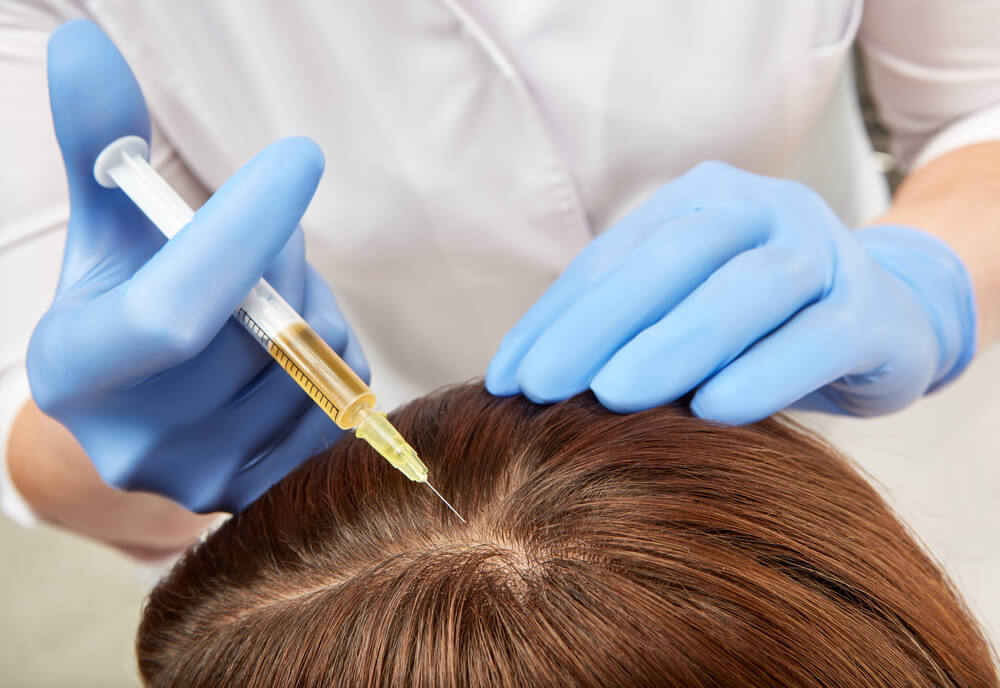
What Is SVF Cellular Therapy for Hair Loss?
Stromal Vascular Fraction (SVF) is a cell-rich component obtained from adipose (fat) tissue. In hair restoration, SVF is prepared from a small amount of the patient’s own fat tissue and applied to areas of the scalp affected by hair thinning.
The goal of SVF therapy is to support the scalp environment and promote conditions that may be beneficial for existing hair follicles. Because the treatment uses material derived from the patient’s own tissue, it offers a personalised regenerative approach to hair-loss management.
Why Consider CelluHair SVF Therapy?
CelluHair SVF Therapy offers a regenerative approach to hair loss for patients who may not yet require a hair transplant or who want to explore additional treatment options.
Potential advantages include:
- Uses tissue obtained from your own body
- Designed for patients with existing hair follicles
- Minimally invasive compared with surgical hair transplantation
- May be considered for early or moderate hair thinning
- Can be incorporated into an individualised hair restoration plan
- May be considered alongside other hair restoration treatments when medically appropriate
Who May Be a Candidate for SVF Hair Treatment?
SVF therapy may be considered for individuals experiencing certain types of hair thinning or early-to-moderate hair loss, particularly when viable hair follicles remain. Suitability depends on the cause and pattern of hair loss, scalp health, medical history, and treatment goals.
- People experiencing early or moderate hair thinning
- Individuals with visible areas of thinning where viable follicles remain
- Patients seeking a non-transplant hair restoration option
- Patients who have not achieved their desired results with other non-surgical approaches
- Individuals who may benefit from a regenerative treatment as part of a broader hair restoration plan
A consultation with a qualified doctor is required to determine whether SVF therapy is appropriate for you.
How SVF Hair Therapy Works
Step 1 — Consultation and Assessment
Your doctor evaluates your scalp, hair-loss pattern, medical history, and treatment goals to determine whether SVF therapy may be appropriate.
Step 2 — Fat Tissue Collection
A small amount of fat tissue is collected from a suitable donor area using a minimally invasive technique.
Step 3 — SVF Preparation
The collected tissue is processed to isolate the stromal vascular fraction containing a mixture of cells and other tissue components.
Step 4 — Scalp Application
The prepared SVF is applied to selected areas of the scalp according to your treatment plan.
Step 5 — Recovery and Follow-Up
Your doctor provides post-treatment instructions and monitors your progress during follow-up appointments.
SVF Therapy vs Hair Transplant: What's the Difference?
SVF therapy and hair transplantation address hair loss in different ways. SVF therapy is a regenerative treatment designed to support existing hair follicles and the scalp environment. A hair transplant, such as FUE, physically moves healthy hair follicles from a donor area to areas affected by hair loss.
The most suitable approach depends on the extent and pattern of hair loss, donor hair availability, existing follicles, and your long-term goals. During a consultation, our doctors can assess your condition and recommend the most appropriate treatment plan
What Results Can You Expect From SVF Therapy?
Hair restoration results vary depending on the cause and extent of hair loss, the condition of the scalp, the availability of viable follicles, and individual response to treatment. SVF therapy is intended to support existing follicles rather than replace follicles that are no longer present.
Your doctor will discuss realistic expectations, follow-up requirements, and whether additional hair restoration treatments may be appropriate for your condition.
SVF Therapy vs PRP for Hair Loss
Both SVF therapy and PRP are non-surgical approaches used in hair restoration, but they use different biological materials. PRP is prepared from a patient’s blood, while SVF is derived from adipose tissue. Your doctor can assess your hair-loss pattern and determine which treatment, or combination of treatments, may be appropriate.
Why Choose NU/HART for SVF Hair Treatment?
At NU/HART, hair restoration treatment begins with an individual assessment rather than a one-size-fits-all approach. Our medical team evaluates your hair-loss pattern, scalp condition, existing follicles, and treatment goals before recommending an appropriate treatment option.
Whether SVF therapy, PRP, Regenera Activa, FUE hair transplantation, or another approach is more appropriate, our goal is to help you understand your options and make an informed decision.
Frequently Asked Questions About SVF Hair Treatment
SVF (Stromal Vascular Fraction) hair treatment is a regenerative approach to hair loss that uses SVF derived from a small sample of the patient’s own adipose (fat) tissue. At NU/HART, CelluHair SVF Therapy is designed to support the scalp environment and existing hair follicles in areas affected by hair thinning.
SVF contains a mixture of cells and tissue components derived from adipose tissue. During treatment, the prepared SVF is applied to selected areas of the scalp. The aim is to support the local scalp environment and existing hair follicles. Individual responses to treatment can vary.
No. SVF therapy and hair transplantation are different treatments. SVF therapy is a regenerative, non-transplant approach intended to support existing hair follicles. A hair transplant, such as FUE, involves harvesting hair follicles from a donor area and transplanting them to areas affected by hair loss. Your doctor can assess which approach may be appropriate for your condition.
No. Although both are non-surgical hair-loss treatments, they use different biological materials. PRP (Platelet-Rich Plasma) is prepared from the patient’s blood, while SVF is derived from adipose tissue. A consultation can help determine which treatment may be more suitable based on your hair-loss pattern and treatment goals.
SVF therapy may be considered for selected individuals experiencing certain types of hair thinning or hair loss, particularly where viable hair follicles remain. Suitability depends on factors such as the cause and extent of hair loss, scalp condition, medical history, and treatment goals. A consultation with a qualified doctor is necessary to determine whether SVF therapy is appropriate.
The treatment time can vary depending on the individual treatment plan and the amount of tissue processing required. During your consultation, the NU/HART medical team can explain the expected treatment steps and approximate duration for your specific case.
SVF treatment involves minimally invasive procedures, including the collection of a small amount of adipose tissue and application of the prepared SVF to the scalp. Local anaesthesia or other appropriate pain-control measures may be used where necessary. Your doctor will explain what to expect before the procedure.
Recovery varies depending on the individual and the areas involved in the procedure. Because SVF treatment involves tissue collection as well as scalp treatment, you may experience temporary tenderness, swelling, or discomfort. Your doctor will provide specific aftercare instructions and advise you when you can return to your usual activities.
The timing and extent of results can vary between patients. Hair growth and changes in hair density do not occur immediately, and results depend on factors such as the cause and extent of hair loss, the condition of existing follicles, and individual response to treatment. Your doctor can discuss realistic expectations and appropriate follow-up during your consultation.
SVF therapy may be considered alongside other hair restoration treatments in selected cases. Whether it can be combined with an FUE hair transplant depends on the patient’s condition, treatment goals, and medical assessment. Your doctor can recommend an appropriate treatment plan based on your individual needs.
The cost of SVF hair treatment can vary depending on the patient’s condition, treatment plan, and the procedures required. For the most accurate and current pricing, contact NU/HART directly and schedule a consultation so the appropriate treatment can be discussed.
Is SVF Hair Treatment Right for You?
Every hair-loss case is different. A consultation with the NU/HART medical team can help determine whether CelluHair SVF Therapy is appropriate for your hair-loss pattern, scalp condition, and treatment goals.