
PRP for Hair Loss in the Philippines
Platelet-Rich Plasma (PRP) Hair Treatment at NU/HART
PRP for Hair Loss in the Philippines
Platelet-Rich Plasma (PRP) therapy is a non-surgical hair restoration treatment that uses a concentrated portion of your own blood to support the scalp and hair follicles. At NU/HART Philippines, PRP treatment may be recommended for individuals experiencing certain types of hair thinning and hair loss, including male and female pattern hair loss.
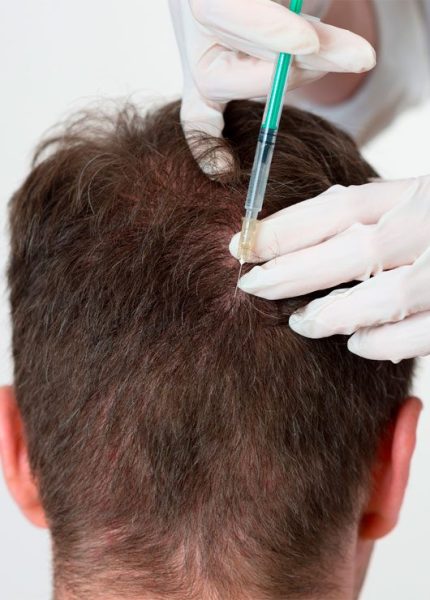
During treatment, a small amount of blood is collected, processed to concentrate the platelets, and injected into targeted areas of the scalp. Your doctor will assess your hair loss and determine whether PRP is an appropriate treatment option for you.

What Is PRP Hair Treatment?
Platelet-Rich Plasma (PRP) hair treatment is a minimally invasive procedure that uses components of your own blood to support the scalp and hair follicles.
A small blood sample is collected and processed to separate the platelet-rich plasma. The resulting plasma is then injected into selected areas of the scalp where hair thinning or loss is present.
PRP may be used as a non-surgical treatment for certain types of hair loss and may also be considered as part of a broader hair restoration plan. Your suitability for treatment depends on the cause and stage of your hair loss.
What Is PRP Hair Treatment?
Step 1 — Blood Collection
A small amount of your blood is collected using a standard blood-draw procedure.
Step 2 — PRP Preparation
The blood sample is processed to separate and concentrate the platelet-rich plasma.
Step 3 — Scalp Treatment
The prepared PRP is carefully injected into selected areas of the scalp where treatment is indicated.
Step 4 — Follow-Up
Your doctor will assess your response to treatment and recommend an appropriate follow-up schedule based on your individual needs.
Who May Be a Candidate for PRP Hair Treatment?
PRP may be considered for individuals experiencing certain types of hair thinning or hair loss, particularly male and female pattern hair loss. People with earlier-stage hair loss may respond more favorably to treatment.
PRP may also be recommended as part of a hair restoration plan or in combination with other treatments, depending on the individual’s condition.
A consultation with a qualified doctor is important to determine the underlying cause of hair loss and whether PRP is appropriate for you.
PRP may be considered for:
- Men or women experiencing pattern hair loss
- Individuals experiencing early-stage hair thinning
- Patients looking for a non-surgical hair restoration option
- Selected patients undergoing or considering hair transplant surgery
Potential Benefits of PRP Hair Treatment
Depending on the individual’s condition and response to treatment, PRP may offer several potential benefits as part of a hair restoration plan.
Potential benefits include:
- Non-surgical approach to hair restoration
- Uses the patient’s own blood-derived plasma
- Minimally invasive treatment
- Can target areas of hair thinning
May be used alongside other hair restoration treatments - Generally requires limited downtime
When Can You See Results From PRP?
Results from PRP hair treatment vary from person to person and depend on factors such as the cause and extent of hair loss, treatment plan and individual response.
Some patients may begin noticing changes after several months of treatment. A series of treatments may be recommended initially, followed by maintenance sessions depending on your doctor’s assessment and your response to treatment.
What Can You Expect After PRP Treatment?
PRP is designed to support your existing hair follicles rather than add transplanted hair. Because the treatment works with your own hair and scalp, the goal is to improve the appearance and condition of thinning areas over time.
Your doctor will discuss realistic expectations, the recommended treatment schedule and appropriate aftercare based on your individual condition.
Recovery and Aftercare
PRP is a minimally invasive treatment and typically involves little downtime. You may experience temporary redness, tenderness or mild swelling around the treated areas.
Your doctor will provide specific aftercare instructions based on your treatment. Follow these instructions carefully and contact the clinic if you experience unexpected or persistent symptoms.
Why Choose NU/HART for PRP Hair Treatment?
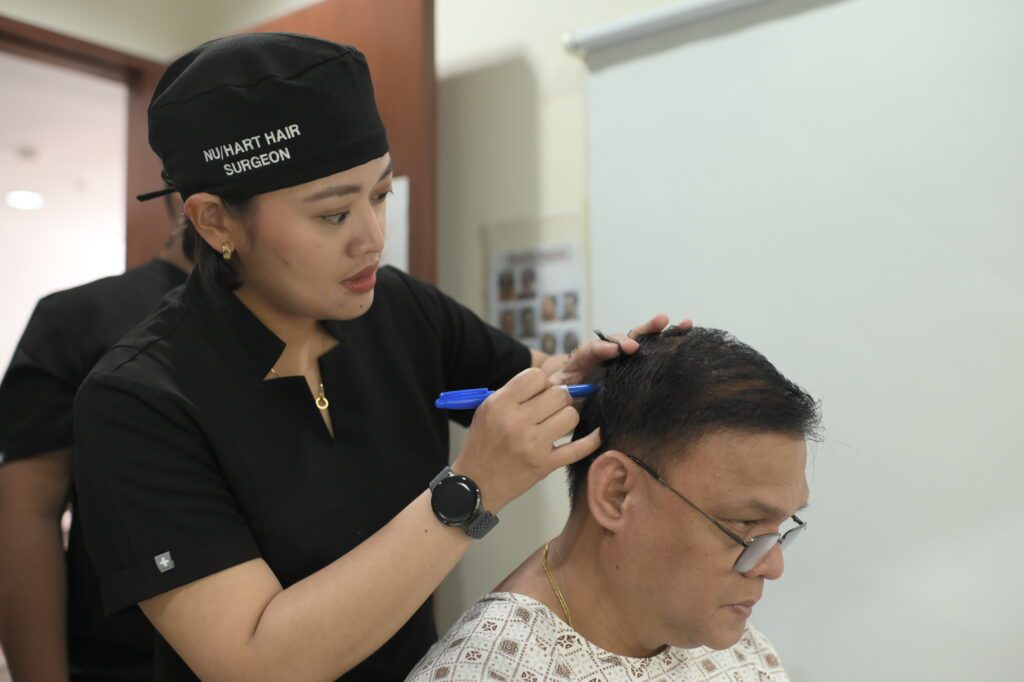
Choosing a hair restoration treatment starts with understanding your hair loss and the options available to you. At NU/HART, a consultation can help assess your condition and determine whether PRP therapy may be suitable for your needs.
Personalized Treatment Assessment
Your hair loss pattern, scalp condition and treatment goals can help guide the recommended approach.
Experienced Hair Restoration Team
Learn about the qualifications and experience of NU/HART’s medical team before deciding on a treatment.
Treatment Options for Different Needs
Depending on your assessment, your doctor may discuss PRP alongside other hair restoration options, including FUE hair transplantation and regenerative treatments.
Guidance on Treatment and Follow-Up
Understand the procedure, expected recovery, potential results and recommended follow-up schedule before proceeding.
Ready to explore your options?
Book a consultation with NU/HART to discuss whether PRP hair treatment is appropriate for you.
PRP Treatment vs. Hair Transplant
PRP and hair transplantation are different approaches to hair restoration.
PRP treatment is a non-surgical procedure that uses platelet-rich plasma to support existing hair follicles and areas of thinning.
Hair transplantation, such as FUE, involves moving hair follicles from a donor area to areas affected by hair loss.
Depending on your diagnosis and hair loss pattern, your doctor may recommend one treatment or a combination of approaches.
PRP Hair Treatment FAQs
PRP treatment uses platelet-rich plasma prepared from a patient’s own blood and injected into selected areas of the scalp to support hair restoration.
PRP involves injections into the scalp, so some patients may experience temporary discomfort. Your doctor can discuss measures used to make the procedure more comfortable.
The current NuHart page states that the procedure takes approximately 30 minutes, although treatment time can vary depending on the individual and treatment plan.
The number and frequency of treatments depend on your condition, treatment response and doctor’s recommendation.
Results vary between individuals. Some patients may begin noticing changes after several months of treatment.
PRP may be considered alongside hair transplantation depending on the patient’s condition and doctor’s treatment plan.
No. The suitability of PRP depends on the cause and pattern of hair loss. A medical consultation is recommended before treatment.
Is PRP Right for Your Hair Loss?
Every case of hair loss is different. A consultation can help determine the possible cause of your hair loss and whether PRP hair treatment is an appropriate option for you.
Speak with the NU/HART team to learn more about PRP treatment for hair loss in the Philippines.
Explore Other Hair Restoration Treatments
PRP is one of several options that may be considered for hair thinning and hair loss. Depending on your condition, your doctor may discuss other treatments available at NU/HART.
Regenera Activa Therapy
Explore a minimally invasive treatment that uses a patient's own tissue-derived cells for scalp and hair restoration.
SVF Celluhair Therapy
Learn about NU/HART's SVF-based hair restoration treatment and whether it may be relevant to your needs.
FUE Hair Transplant
Learn how follicular unit extraction moves hair follicles from a donor area to areas affected by hair loss.