
Non-Shaven FUE in the Philippines
What Is Non-Shaven FUE?
Non-Shaven FUE is an advanced hair transplant technique that allows individual hair follicles to be extracted from the donor area without completely shaving the surrounding hair. This makes the procedure a discreet option for people who want to restore thinning or balding areas while maintaining their existing hairstyle.
Like conventional FUE, the procedure involves extracting individual follicular units and carefully implanting them into areas affected by hair loss. The main difference is that Non-Shaven FUE is designed to minimize the visible changes to the donor area during the procedure and recovery period.
Who Is Non-Shaven FUE For?
Non-Shaven FUE may be suitable for individuals who want a discreet hair transplant while keeping their existing hairstyle. It may be particularly appealing to people who have professional, social, or personal reasons for avoiding a visibly shaved donor area.
It may be considered by people experiencing hairline recession, thinning hair, or localized areas of hair loss who have sufficient donor hair for transplantation. A consultation with a qualified hair restoration doctor is needed to determine whether Non-Shaven FUE is appropriate for your hair loss pattern and donor supply.
- Want to avoid completely shaving the donor area
- Prefer a more discreet hair restoration procedure
- Want to maintain their existing hairstyle
- Have localized thinning or hair loss
- Have adequate donor hair for transplantation
- Want an FUE-based approach to hair restoration
How Does Non-Shaven FUE Work?
During Non-Shaven FUE, individual follicular units are carefully extracted from the donor area while preserving the surrounding hair. The harvested follicles are prepared for transplantation and then strategically placed into areas affected by thinning or hair loss.
The procedure is planned according to the patient’s existing hair pattern, donor supply, hairline, density goals, and overall hair restoration needs. Because the surrounding donor hair is not completely shaved, the procedure can provide a more discreet appearance during the recovery period.
Consultation and Hair Assessment
Assess hair loss, donor density, hairline and suitability.Donor Area Preparation
The donor area is prepared while avoiding complete shaving of the surrounding hair.Follicular Unit Extraction
Individual follicular units are extracted using the clinic’s FUE technique.Graft Preparation
Extracted grafts are prepared for implantation.
Implantation
Grafts are carefully placed into thinning or balding areas according to the planned hairline and density.Recovery and Growth
The transplanted follicles go through the normal post-transplant growth cycle before new hair growth becomes visible.
Non-Shaven FUE vs. Other Hair Transplant Methods
| Feature | FUT | Standard FUE | Non-Shaven FUE |
|---|---|---|---|
| Individual follicle extraction | No | Yes | Yes |
| Donor area completely shaved | No | Usually | No |
| Linear donor scar | Yes | No | No linear scar |
| Discreet during recovery | Lower | Moderate | Higher |
| Existing hairstyle maintained | Yes | Usually affected by shaving | Yes |
| Minimally invasive | Less | Yes | Yes |
FUT (Strip Surgery)

Standard FUE (Follicular Unit Extraction)

Non-Shaven FUE (NS-FUE)

Key Benefits of Non-Shaven FUE
No Complete Shaving of the Donor Area
Maintain more of your existing hairstyle during the procedure.Discreet Hair Restoration
A suitable option for individuals who prefer to keep their procedure less noticeable.Individual Follicular Unit Extraction
Hair follicles are extracted individually rather than removing a strip of scalp.No Linear Donor Scar
Unlike FUT strip surgery, FUE does not create a linear donor scar.
Natural-Looking Hair Restoration
Grafts are strategically placed according to the patient’s hairline, existing density, and treatment goals.Potentially Less Visible Recovery
Keeping surrounding donor hair intact may help camouflage the treatment area during recovery.
Non-Shaven FUE vs. Long Hair FUE
Non-Shaven FUE and Long Hair FUE are both specialized FUE techniques designed to reduce the need for conventional hair shaving, but they are not necessarily the same approach.
Non-Shaven FUE focuses primarily on extracting grafts without completely shaving the donor area, allowing patients to maintain a more discreet appearance. Long Hair FUE involves harvesting and transplanting hair while retaining the visible length of the hair, allowing patients to see an immediate change in coverage after the procedure.
During consultation, our hair restoration specialists can determine which technique is more appropriate based on your hair loss pattern, donor area, hair characteristics, and treatment goals.
What to Expect After Non-Shaven FUE
Following Non-Shaven FUE, patients may experience temporary redness, swelling, tenderness, or small crusts around the treated areas. These effects vary from person to person and generally improve as the scalp heals.
Your doctor will provide specific aftercare instructions to protect the transplanted follicles and support proper healing. Hair growth also takes time; transplanted hair typically follows a natural growth cycle rather than reaching its final appearance immediately after the procedure.
Why Choose NU/HART for Non-Shaven FUE?
Experienced Hair Restoration Team
Our experienced medical team specializes in hair restoration procedures and individualized treatment planning.
Specialized FUE Techniques
NU/HART offers advanced FUE techniques to address different hair restoration needs, including Non-Shaven FUE and Long-Hair FUE.
Individualized Treatment Planning
Each procedure is planned according to the patient’s hair loss pattern, donor area, hairline, and desired outcome.
Focus on Natural-Looking Results
Hair placement is planned to complement the patient’s existing hair pattern and create a natural-looking appearance.
Discreet Hair Restoration Option
Non-Shaven FUE is designed for patients who want to minimize visible changes to their hairstyle during the treatment and recovery period.
Non-Shaven FUE FAQs
Non-Shaven FUE is designed to allow follicular extraction without completely shaving the donor area. The exact approach depends on the patient’s hair characteristics, donor area, and treatment plan.
Both techniques involve individual follicular unit extraction. The key difference is how the donor area is prepared and whether the surrounding hair is shaved.
FUE does not create the linear scar associated with FUT. Small extraction marks may occur in the donor area and their visibility varies between patients.
Treatment time varies depending on the number of grafts required and the individual’s treatment plan. Your doctor can provide a more accurate estimate during consultation.
Recovery varies by patient and by the extent of treatment. Your doctor will advise when you can safely resume work and normal activities.
Not necessarily. Suitability depends on factors such as the pattern and extent of hair loss, donor hair availability, hair characteristics, and overall treatment goals.
Both are specialized FUE approaches that can reduce the need for conventional shaving. Long Hair FUE specifically focuses on retaining the visible length of harvested and transplanted hair, while Non-Shaven FUE primarily focuses on avoiding complete shaving of the donor area.
Related Hair Restoration Treatments
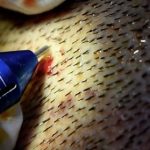
FUE Hair Transplant
Learn more about Follicular Unit Extraction, a minimally invasive hair transplant technique that extracts individual hair follicles from the donor area.
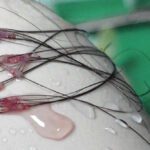
Long Hair Transplant
Explore a specialized FUE technique that allows hair to be transplanted while retaining visible hair length for an immediate change in appearance.
PRP Treatment
Discover platelet-rich plasma treatment as a non-surgical option that may be used as part of a hair restoration plan.
Regenera Activa
Learn about this regenerative hair restoration treatment for patients seeking a non-surgical approach to hair and scalp concerns.
Explore Your Non-Shaven FUE Options
Wondering whether Non-Shaven FUE is right for your hair loss and lifestyle? Schedule a consultation with the NU/HART team to discuss your hair restoration goals, donor area, and suitable treatment options.